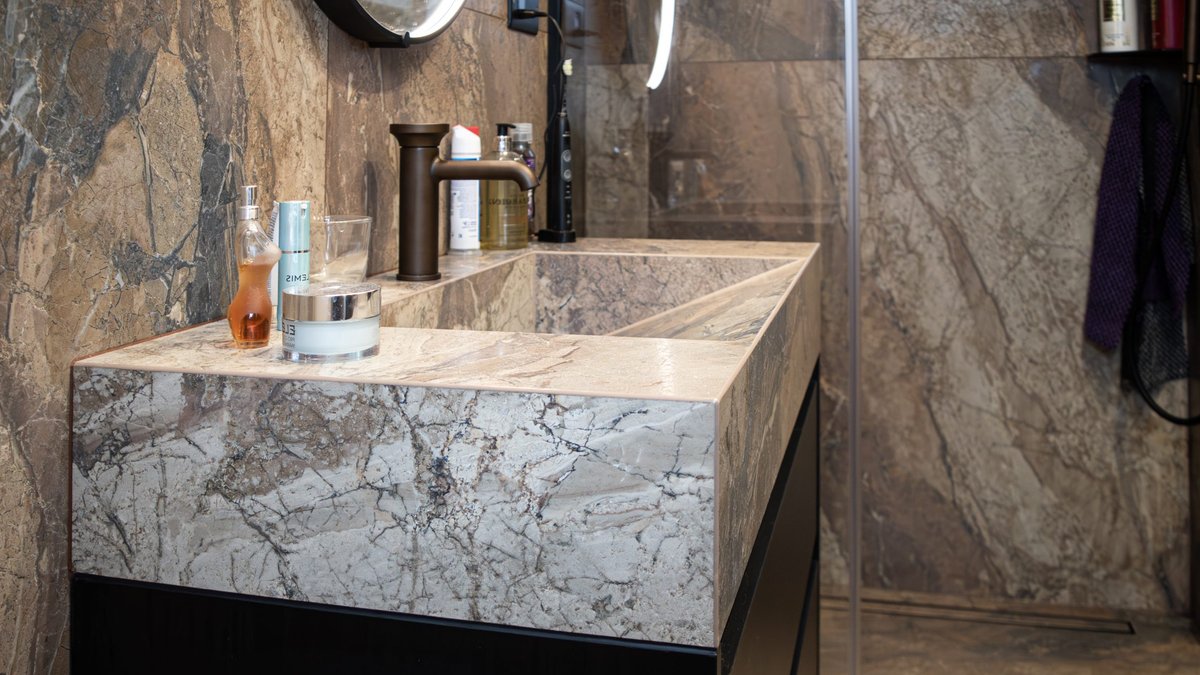
ALFA Tiles bathroom designer Lukas Kedden says wellness in the bathroom is less about high‑tech gadgets and more about thoughtful, personalized design.
Wellness means feeling good, not flashing lights
Kedden, a veteran with more than ten years of experience and a two‑time winner of a major bathroom design award, defines wellness as the way a space makes you feel. “Wellness is measured by how well a space reflects the people it serves,” he explains. That definition means every project is unique, because the feeling a bathroom should evoke varies from homeowner to homeowner.
One simple illustration is the presence of a bathtub. If a homeowner never uses a tub, even a beautifully crafted bathroom can feel “off” because the fixture occupies space without serving its purpose. The point is that wellness isn’t a checklist of gadgets; it’s about matching design to actual habits.
Colour‑changing LED strips are often marketed as wellness features, but he likens them to “icing on a burnt cake.” Lighting should follow natural patterns: warm, dimmable light in the evening and brighter, cooler light in the morning. Such lighting mimics daylight, supporting circadian rhythms and providing a genuine sense of wellbeing from sunrise to bedtime.
Related: Airport brand and students redesign lounge chair
Design starts with conversation, not catalogues
ALFA Tiles begins each project with a dialogue. “What’s the story behind the home? What feelings do you want your home to give you?” he asks. This approach guides material choices and layout decisions, ensuring the bathroom feels like an extension of the rest of the house.
A recent query from a client in the Lake District highlighted this method. The owners love the view of Windermere Lake and the green slate tiles throughout their home. The team echoed those colours in the bathroom, aiming for a calm, comfortable atmosphere that will endure for decades.
In contrast, a Manchester project for a client missing Spain required bright azulejos and terracotta finishes to evoke the warmth of her native country. By reflecting personal memories, the design achieves a sense of wellness that generic fixtures cannot provide.
Beyond these fundamentals, the firm offers specialist options for those seeking a “spa at home.” A sunshower combines infrared warmth with low‑dosage UV light, which can aid circulation and support vitamin D production—benefits that may help users combat seasonal affective disorder. An efficient steam generator can turn a standard shower into a steam‑filled enclosure, opening airways and reducing stress.
Related: Grand Sliding Doors Transform West Dean Entrance
These additions, while technical, are intended to complement rather than dominate the design. “When the body relaxs, the mind tends to follow,” he notes. Properly integrated, they become part of a restorative environment rather than mere wall‑mounted gadgets.
Design matters.
Looking ahead, the trend toward personalized wellness may push manufacturers to develop more adaptable solutions. If designers continue to prioritize the homeowner’s habits and preferences, the market could see a shift from one‑size‑fits‑all devices to modular elements that can be tailored to each space. This aligns product development with the core principle Kedden stresses: wellness starts with thoughtful design, not flash.
For consumers interested in a home spa experience, he recommends focusing first on lighting, layout, and material choices that resonate with personal memories. Once those basics are solid, adding a sunshower or steam generator can enhance the space without overwhelming it.