Curators obsess over details, turning gaps in archival information into opportunities to imagine the past. This creative process mirrors the experience described in a debut novel, where a fictional curator focuses on conjuring the correct feeling rather than strictly factual accuracy. The author recalls a childhood moment at a furniture store when squeezing a plastic grape revealed the illusion of being inside someone else’s life.
Choosing a narrative thread
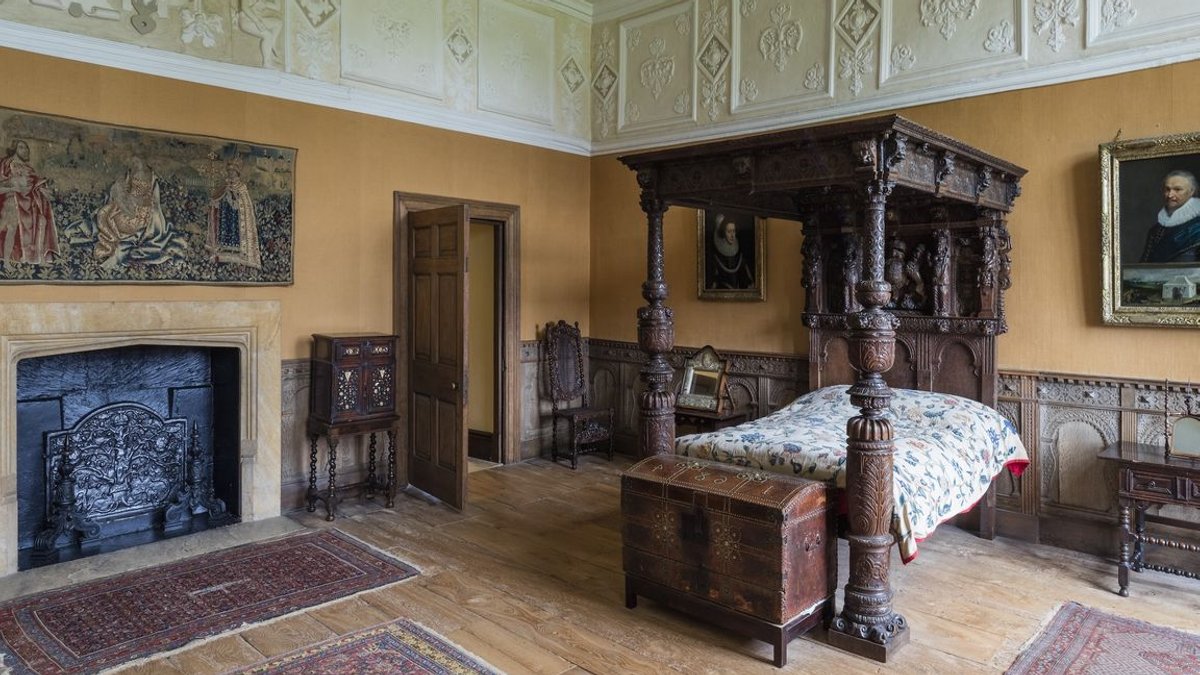
At Montacute House in Somerset, the National Trust curator Annie Kemkaran focuses on Sir Edward Phelips, the 16th-century figure who commissioned the building. The structure itself offers a clue, as the golden-red Hamstone façade and expansive windows point to its construction during the Tudor and Jacobean periods. In contrast, English Heritage manages Kenwood House on the edge of Hampstead Heath, where the story begins in the 18th century. Curator Emily Burns explains that the site is presented as it was during the heyday of William Murray, the 1st Earl of Mansfield, after significant alterations by Robert Adam.
The narrative often shifts to reflect different eras. Kenwood also highlights the contribution of Sir Edward Cecil Guinness, the 1st Earl of Iveagh. He purchased the estate in 1925 and left the art collection to the nation upon his death in 1927. The bequest stipulated that the house be preserved as a fine example of an 18th-century gentleman’s artistic home.
Rebuilding these interiors presents distinct challenges. Both Montacute and Kenwood lost their original contents before being acquired by preservation organizations. Montacute was given to the National Trust in 1931 with no furniture or art, while Kenwood underwent a four-day sale of its contents in 1922. Curators must then look to inventories, bills, and architectural paint layers to understand the past.
Paint analysis is particularly revealing, as architectural paint historian Patrick Baty notes that the layers can indicate where tapestries hung or show signs of social aspiration. The National Trust’s approach at Montacute relied on public appeals to furnish the rooms with period-appropriate pieces, ensuring historical accuracy even if the items are not authentic to the specific location.
This reliance on reproduction is standard practice. English Heritage has managed to acquire original Adam-designed furniture for Kenwood, such as a sideboard table and wine cooler. They also borrow key pieces, like a desk from the Victoria and Albert Museum, and use reproductions of original designs.
Props play a vital role in creating an immersive atmosphere. At Montacute, the National Archives provided facsimile copies of legal documents related to Sir Edward’s life. At Kenwood, the displays include historic carpets that can be walked on, allowing visitors to sit at writing desks and read booklets on historical figures. Even replica food, like pomegranates placed beside a pie in a great hall, is carefully selected to enhance the sense of stepping into a specific moment.
When new information showed that the library colors were incorrect, the team changed them. Larger changes, like a planned rehang of an exhibition, are also informed by loans and the physical state of the buildings. The upper floors at Montacute will reopen in early 2027, offering a route through twelve years of Sir Edward Phelips’ life at the house.
Living with the illusion
The reopening of the upper floors will provide a direct connection to the 12 years he spent at the property. Curators plan to guide guests through his time at court and his influence in London. This approach allows people to understand his rise and eventual downfall.
The power of presence
Rebecca’s fictional curator believes interiors convey a story as powerfully as words. The atmosphere created by a room can transport visitors to another time. This feeling of presence is a key goal for real-life curators. They strive to make history feel tangible and alive. Ultimately, the goal of curators is to create an immersive experience that allows visitors to connect with the past, making history feel present and alive.