The National Trust for Historic Preservation has announced a $10 million effort to protect historic landmarks. The Historic Preservation Defense Fund will support legal protections, public advocacy, and community engagement for historical sites in danger. This initiative is a response to the growing threats faced by the nation’s cultural and civic landmarks, and the funds raised will be key in supporting a unified effort to preserve America’s heritage.
Brent Leggs, the president and CEO of the nonprofit group, announced the initiative during his keynote address at the National Preservation Summit in Washington. He stated that the nation’s historic buildings and places are under a generational threat. The summit, being the inaugural event of its kind, brought together preservationists and stakeholders to discuss the challenges faced by historic sites and the ways to address them.
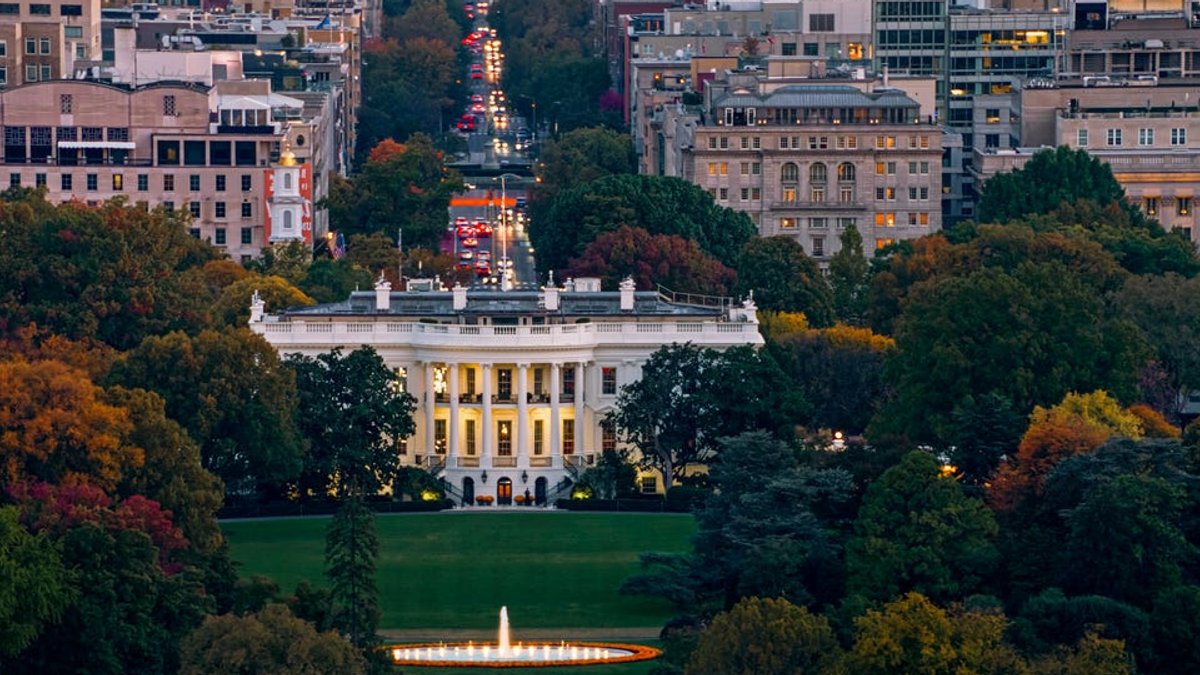
The National Trust has been active in preserving Washington’s landmarks, including the White House and the Kennedy Center for Performing Arts. The group joined a lawsuit challenging the White House’s $600 million ballroom construction, which was dismissed by the Supreme Court last month. The lawsuit highlighted the importance of preserving historic sites and the need for legal protections to prevent unnecessary alterations or demolitions. Since 2025, the National Trust has been actively engaged in preserving some of Washington’s most famous landmarks, demonstrating its commitment to protecting the nation’s cultural heritage.
The Trust has also raised concerns about the proposed monumental arch at D.C.’s Memorial Circle, a project championed by President Donald Trump. The group was part of a coalition to preserve Bears Ears National Monument in Utah, following a presidential proclamation that modified protections for the monument’s 1.35 million acres. In December, the privately funded group, which was founded in 1949 by an act of Congress, joined a lawsuit challenging construction of the White House’s $600 million ballroom, which is on the site of the now-razed East Wing, further demonstrating its efforts to protect historic sites from unnecessary alterations or destruction.