

The Renovation Revolution: Key Trends, ROI, and Sustainability in 2024
The home renovation market is experiencing a significant boom in 2024, fueled by aging housing stock, hybrid work models, and a renewed focus on energy efficiency. Homeowners are moving past minor cosmetic updates and investing heavily in large-scale projects that fundamentally alter the function and sustainability of their properties. This deep dive explores the dominant trends shaping the industry, offers crucial advice on maximizing return on investment (ROI), and highlights the rising importance of environmentally conscious building practices.
Dominant Trends Driving Major Home Renovation Projects
While kitchen and bathroom renovations remain evergreen projects, the current landscape is defined by shifts that prioritize space customization and long-term utility. The pandemic’s lasting impact means homes must now serve as offices, gyms, and entertainment hubs, dictating layout changes that maximize flexibility.
The Rise of Multi-Generational and Flexible Living Spaces
A notable trend is the integration of Accessory Dwelling Units (ADUs) and flexible floor plans. ADUs—often detached garages converted into living spaces or basement apartments—offer opportunities for rental income or comfortable housing for aging parents or adult children. This shift reflects demographic changes and the need for housing solutions that avoid the cost and stress of moving.
Internally, homeowners are knocking down walls to create open-concept living areas but are simultaneously introducing “broken-plan” designs. Broken-plan uses partial walls, shelving, and sliding doors to divide larger spaces, offering acoustic separation for remote work or studying without sacrificing natural light or the perception of spaciousness.
Smart Home Integration as a Foundational Element
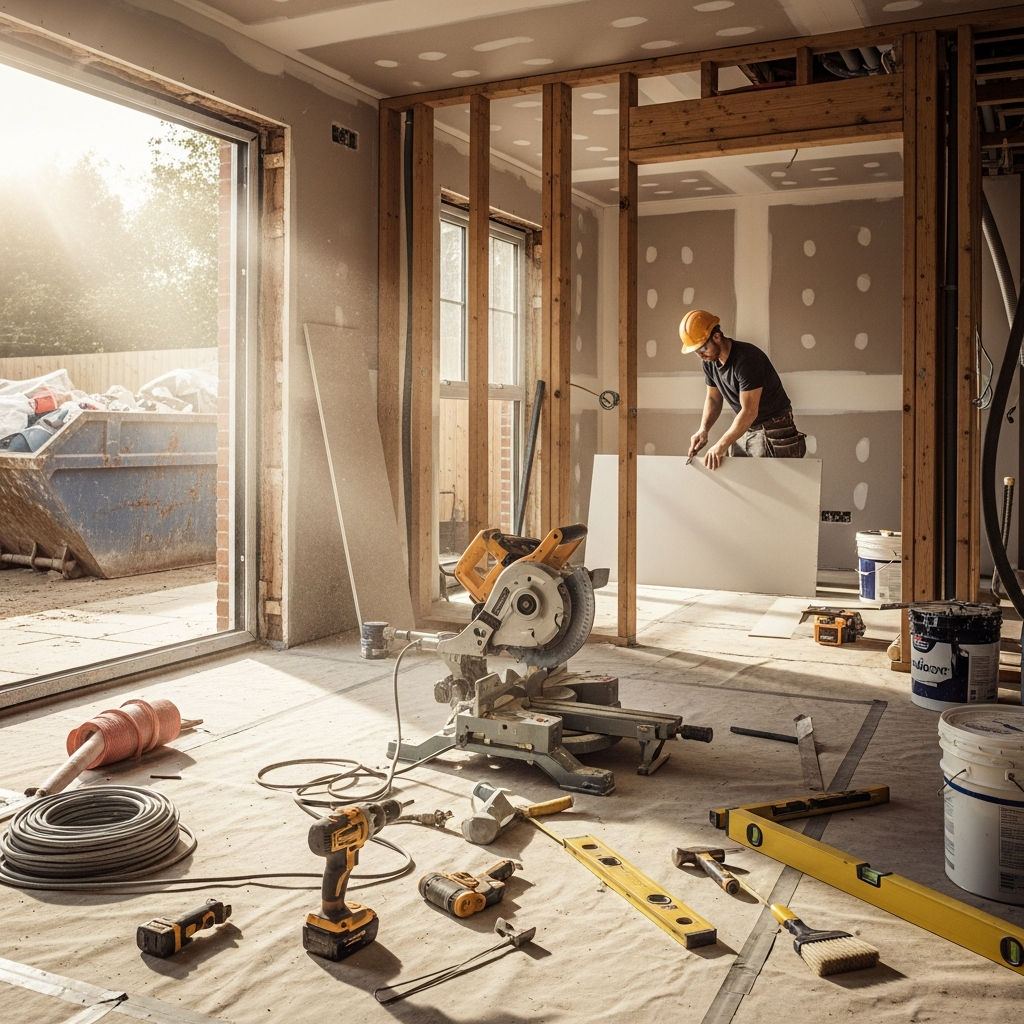
Renovations today are no longer complete without robust smart technology infrastructure built in from the ground up. This goes beyond smart speakers; it includes integrated security systems, automated climate control, smart lighting designed for mood and energy savings, and centralized wiring for high-speed connectivity throughout the entire home. These systems must be considered during the demolition and framing stages to ensure wiring is concealed and seamlessly functional.
Kitchens Designed for Performance and Wellness
The kitchen remains the renovation centerpiece, but expectations have evolved. Homeowners are demanding commercial-grade appliances, dedicated prep zones (such as sculleries or butler’s pantries), and materials that prioritize hygiene and durability. Quartzite and sintered stone are gaining popularity over marble due to their non-porous nature and resistance to staining. Furthermore, wellness elements like advanced filtration systems for water and air are now standard considerations.
Maximizing Your Return on Investment (ROI)
Not all renovation projects yield the same financial rewards. While personalization is paramount, homeowners must be strategic about upgrades if resale value is a concern. The highest ROI projects often balance aesthetic appeal with functional improvements that appeal to the broadest range of potential buyers.
High-ROI Exterior Projects
Curb appeal remains critical. Replacing an outdated garage door or front entry door offers one of the best ROIs, often recouping 90% or more of the cost upon resale, according to industry reports. Similarly, manufactured stone veneer accents on the exterior siding significantly boost appeal and provide strong returns.
Strategic Interior Updates
Mid-range kitchen remodels often yield better returns than luxury, high-end overhauls. Buyers appreciate new, functional appliances, updated cabinetry, and solid countertops, but the cost of bespoke, professional-grade items can quickly outpace what a buyer is willing to pay extra for. Focusing on updating the primary bathroom—especially adding double vanities and walk-in showers—also consistently performs well.
The Importance of Maintenance and System Upgrades
While less glamorous, buyers highly value a renovated roof, modern HVAC systems, and updated plumbing/electrical wiring. These updates reduce the risk of major expenses shortly after purchase and can significantly impact the speed of a sale, even if the direct ROI percentage is slightly lower than cosmetic fixes.
The Crucial Shift Towards Sustainable Renovation
Sustainability is no longer a niche market; it is becoming the default approach for major renovations in 2024. Homeowners are increasingly motivated by long-term cost savings, environmental responsibility, and government incentives.
Energy Efficiency and High-Performance Building Envelopes
The focus on the building envelope—the barriers that separate the interior conditioned space from the exterior environment—is intensifying. Renovators are utilizing high-efficiency insulation (spray foam or rigid foam boards), triple-pane windows, and thermal bridges to minimize heat transfer. This deep energy retrofit approach aims to reduce the home’s energy needs dramatically, often resulting in passive-house levels of efficiency.
Material Sourcing and Waste Reduction
Sustainable renovation practices begin at the demolition phase. Efforts are being made to divert construction waste from landfills through specialized recycling programs. When selecting new materials, the trend leans toward low-VOC (Volatile Organic Compounds) paints, recycled content materials (like composite decking), and locally sourced timber to reduce the carbon footprint associated with transportation.
Water Conservation Technologies
Water-efficient fixtures are standard, but advanced renovations now integrate more sophisticated systems. This includes gray water recycling systems, which treat and reuse water from sinks and showers for irrigation or toilet flushing, and rainwater harvesting setups. These technologies are particularly attractive in regions facing water scarcity and provide significant long-term operational savings.
Challenges and Future Outlook for Renovators
Despite the high demand, the renovation industry faces persistent challenges. Supply chain volatility, though improving, still affects lead times for specialized materials. More critically, the shortage of skilled tradespeople (electricians, plumbers, and high-quality general contractors) continues to drive labor costs higher and extends project timelines.
Navigating Permits and Regulations
As sustainability standards tighten and zoning laws evolve (especially concerning ADUs), navigating the complex world of permits and local regulations is becoming a specialized skill. Homeowners are advised to hire contractors with strong local permitting experience to prevent costly delays.
Looking ahead, the market is poised for continued growth. As interest rates remain elevated, forcing more potential buyers to stay put, the incentive to invest in transforming current homes into customized, high-performance dwellings will only strengthen. The Renovation Revolution of 2024 is not just about aesthetics; it is a fundamental commitment to longevity, efficiency, and a sustainable future for the modern home.
Key Takeaways for Homeowners Planning a Renovation
- Prioritize flexibility in floor plans to accommodate changing family and work needs.
- Focus on deep energy retrofits (insulation, windows) for long-term savings and comfort.
- Mid-range strategic updates (kitchen, primary bathroom) offer the strongest financial ROI.
- Integrate smart home infrastructure early in the planning process, not as an afterthought.
- Vetting contractors for sustainability experience and permitting knowledge is crucial.