
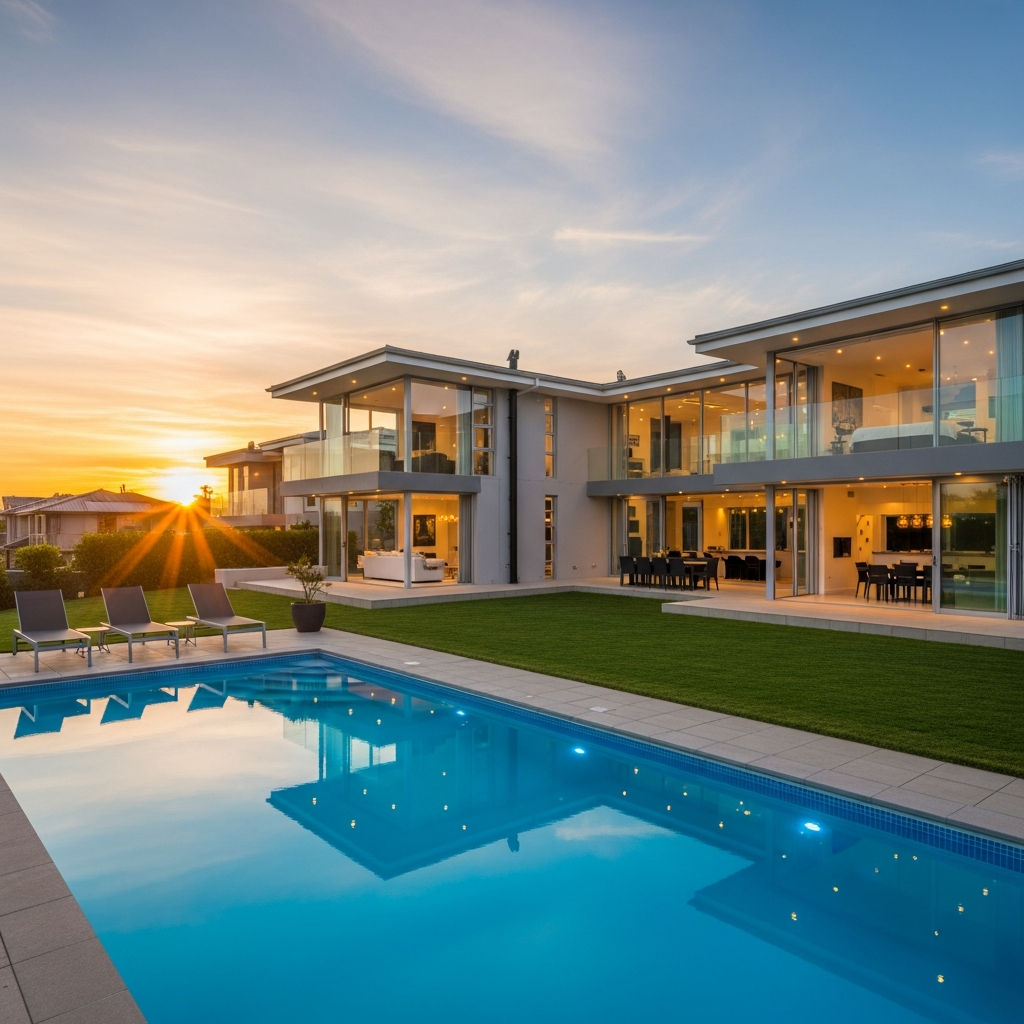
The Future of Home: Essential House Design Trends Shaping 2024
The landscape of modern living is constantly evolving, driven by technological advancements, environmental awareness, and a renewed focus on personal wellness. In 2024, the best house design is less about transient style and more about enduring efficiency, comfort, and sustainability. Homeowners are actively seeking designs that not only look spectacular but also reduce their ecological footprint and enhance their daily quality of life. This shift mandates a holistic approach to architecture, integrating sustainable materials, flexible layouts, and state-of-the-art technology from the foundational stages. The goal of superior house design today is to create environments that are resilient, restorative, and deeply connected to nature and surrounding communities.
Expert architects are noticing a significant departure from purely aesthetic-driven construction toward designs that prioritize long-term value and human experience. Understanding these crucial movements is paramount for anyone planning a new build or substantial renovation in the current market, ensuring the final structure is future-proofed and optimized for modern demands. We delve into the critical house design movements defining this decade.
Embracing Sustainability: The Rise of Eco-Conscious Architecture
Sustainability is no longer a premium add-on; it is a baseline expectation for high-quality house design. Homeowners are acutely aware of the climate crisis and the impact of construction materials, leading to massive demand for certified green building practices. This includes optimizing building orientation to maximize natural light and minimize heat gain, utilizing high-performance insulation, and integrating renewable energy sources. Designing a house for efficiency means lower operating costs and a significantly healthier interior environment, making sustainable design a powerful long-term investment.
Biophilic Integration and Natural Materials
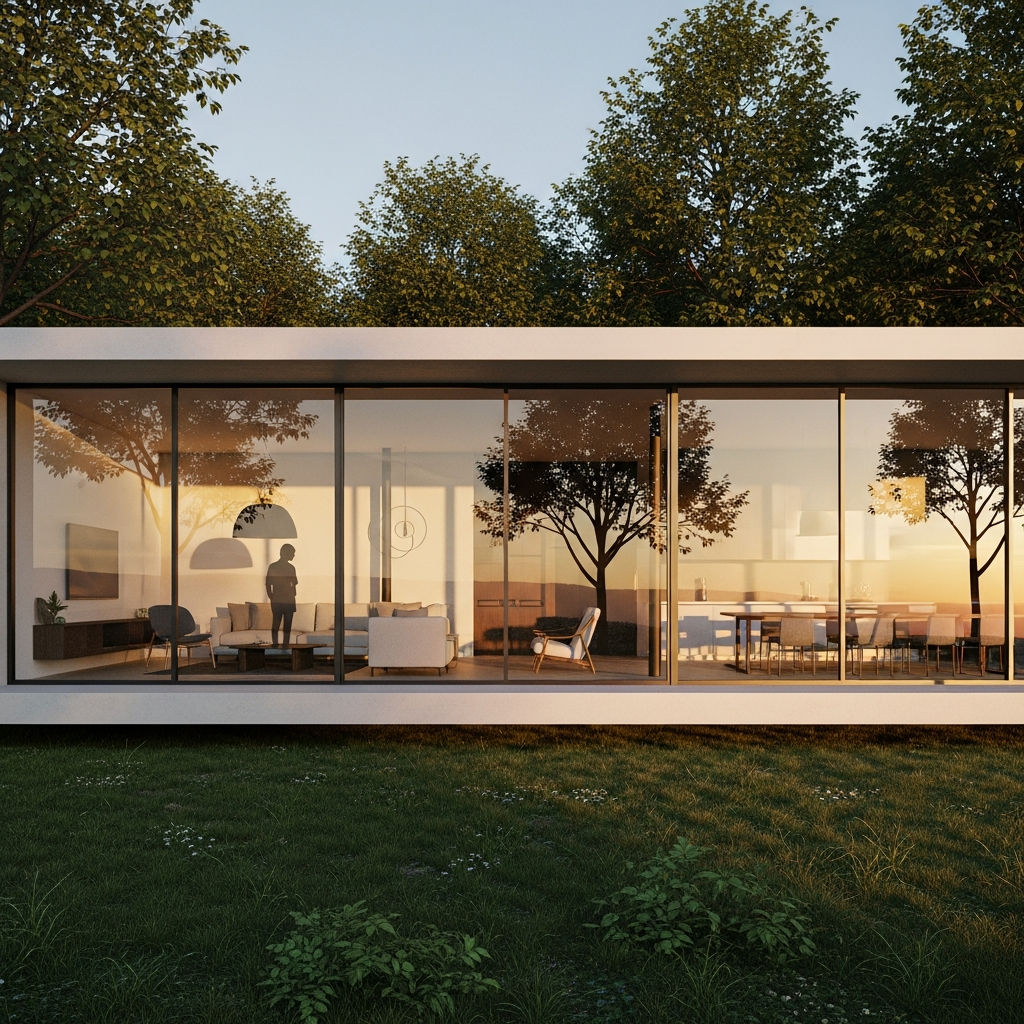
Biophilic design, the concept of connecting building occupants more closely with nature, is moving beyond potted plants and becoming a structural component of modern house design. This involves using organic, unprocessed materials like exposed wood beams, natural stone flooring, and textured finishes that mimic the tactile experience of the outdoors. Furthermore, architects are meticulously planning sightlines to ensure every primary living space has an unobstructed view of nature, whether a private garden, a large patio, or simply the sky. Strategic fenestration—large, carefully placed windows and sliding glass doors—blurs the line between indoor and outdoor spaces, contributing to better mental health and reducing the need for artificial lighting during the day. This attention to natural elements creates a calming, sanctuary-like atmosphere central to contemporary wellness trends.
Energy Efficiency: Net-Zero Goals
The movement toward net-zero energy homes is accelerating dramatically, driven by improved solar photovoltaic technology and advancements in battery storage systems. Modern house design aims to produce as much energy as it consumes over a year. Achieving this requires meticulous detailing, including airtight construction envelopes, heat recovery ventilation (HRV) systems that maintain fresh air without losing conditioned temperature, and smart monitoring systems that adjust energy usage dynamically. While the initial investment in net-zero infrastructure can be higher, the resulting elimination of utility bills and the substantial increase in property value solidify this as a defining characteristic of sophisticated, forward-thinking architecture.
Rethinking Space: Functionality and Flexibility
The pandemic fundamentally altered how we use our homes, requiring them to serve simultaneously as offices, classrooms, gyms, and sanctuaries. Contemporary house design must therefore prioritize extreme flexibility and multi-purpose areas. Rigid, single-use rooms are being replaced by adaptive spaces that can be easily transformed, often using hidden pocket doors, modular furniture, and integrated storage solutions that keep clutter hidden when the space transitions function.
The Enduring Appeal of the Open Floor Plan (with a caveat)
While the classic, sprawling open-concept floor plan remains popular for communal living, modern iterations address its primary drawback: noise and lack of privacy. The new trend is toward the “broken-plan” concept. This design retains connectivity and natural flow but uses architectural elements—such as subtle level changes, half-walls, large sliding screens, or built-in shelving units—to subtly define zones for cooking, dining, and relaxing. This approach maintains the airy feel of open design while offering essential acoustic separation and visual retreat, supporting the varied demands of a busy household.
Multi-Generational Living Solutions
As housing costs rise and families seek closer ties, multi-generational living arrangements are driving specific house design features. This includes the integration of Accessory Dwelling Units (ADUs), often detached backyard cottages or self-contained basement apartments, which offer independence while maintaining proximity. Core design considerations include ground-floor master suites, wider doorways, walk-in showers, and other universal design principles that ensure the home remains comfortable and accessible for occupants of all ages and mobility levels, significantly boosting the home’s long-term market viability.
Technology and Automation: The Smart Home Standard
Smart home technology has evolved past simple convenience; it is now critical infrastructure focused on efficiency, security, and wellness. Integrated systems are seamless, often invisible, and learn user habits to optimize the environment automatically, making advanced technology accessible to all residents without complex interfaces.
Seamless Integration of Smart Systems
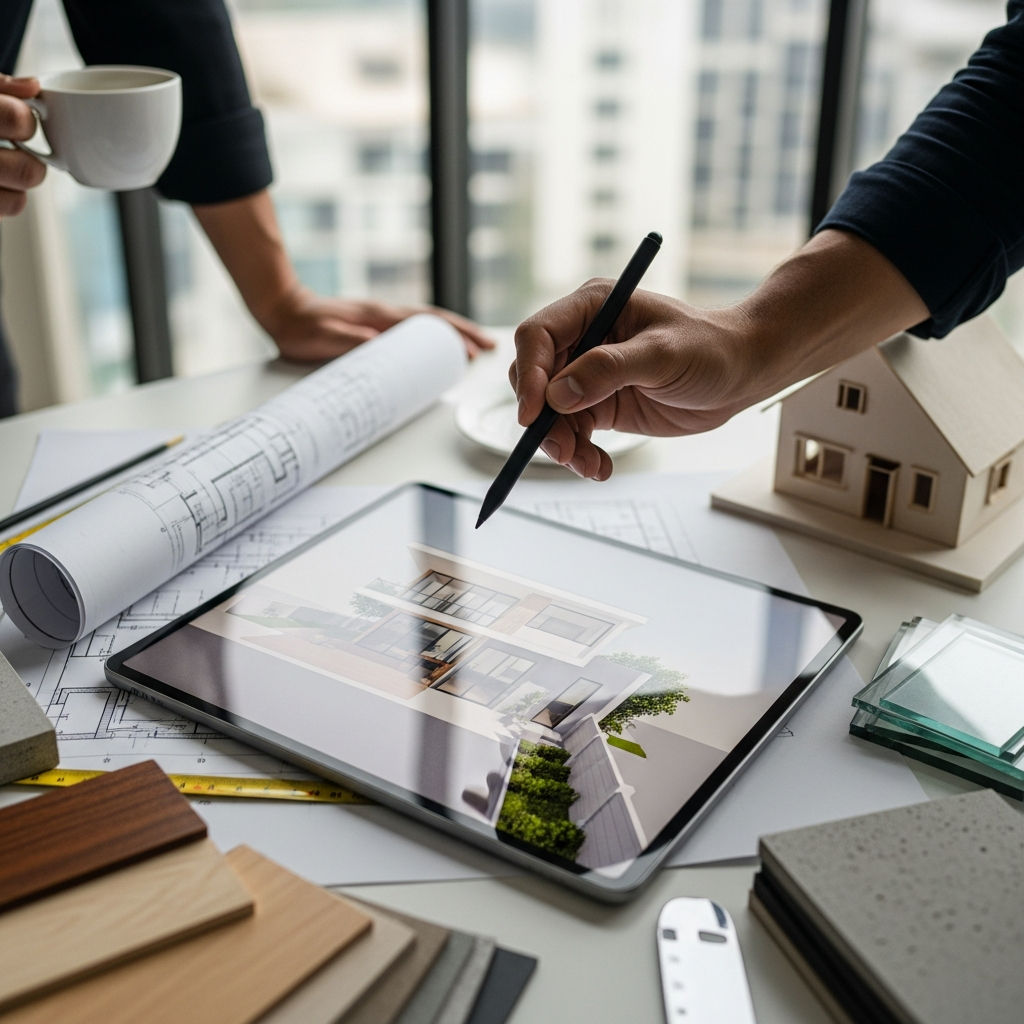
Modern house design incorporates infrastructure planning for technology right from the framing stage, prioritizing robust Wi-Fi networks and centralized wiring closets. Automation focuses on predictive technology: lighting that adjusts based on time of day and external luminosity, automated shades that manage solar gain to reduce cooling needs, and irrigation systems that respond to real-time local weather data. This level of integration maximizes energy savings while enhancing comfort unobtrusively.
Security and Wellness Focus
The newest wave of smart design centers on health. Advanced HVAC systems are equipped with medical-grade air filtration and humidity control, crucial for combating allergens and improving sleep quality. Similarly, smart security systems are completely networked, providing perimeter monitoring, remote access control, and proactive leak detection to prevent catastrophic water damage—a major concern for custom homes. These features provide peace of mind and contribute directly to the home’s operational longevity.
Aesthetic Shifts: Minimalism Meets Warmth
While the stark, cold minimalism of the past decade is waning, a refined aesthetic focused on texture, authenticity, and natural color palettes is taking its place. The dominant design philosophy emphasizes ‘quiet luxury’ and enduring style over fleeting trends.
Japanese-Scandinavian (Japandi) Influence
The fusion of Japanese and Scandinavian design, known as Japandi, is defining the current aesthetic. It combines the clean lines and functionality of Nordic design with the organic textures and refined simplicity of Japanese minimalism (Wabi-Sabi). This style champions neutral color palettes—creams, taupes, soft grays—layered with natural wood finishes, linen textiles, and hand-crafted ceramics. The result is a space that feels sparse but inviting, highly functional, and profoundly tranquil.
Maximizing Curb Appeal Through Intentional Design
A home’s exterior is the first indication of its interior quality. Contemporary house design emphasizes strong architectural forms, sophisticated material pairings, and intentional landscaping. Curb appeal is created not just by maintenance, but by fundamental design choices, such as using durable, low-maintenance cladding (e.g., fiber cement siding, metal panels, or brick), strategically placed exterior lighting to highlight architectural features, and integrated garden designs that blend seamlessly with the building’s footprint. The emphasis is on timeless elegance and robust materials that weather beautifully over time.
Conclusion: Designing for Longevity and Well-being
The current phase of house design represents a pivotal moment where necessity meets sophistication. The most successful modern homes are those designed from the inside out, prioritizing the occupant’s well-being, the planet’s health, and the structure’s long-term performance. By integrating sustainable practices, flexible layouts, smart technology, and a warm, minimalist aesthetic, homeowners can invest in a property that is truly optimized for the challenges and joys of modern life. These trends ensure that the investment made in a custom house design today will continue to deliver value, comfort, and a reduced footprint for decades to come, solidifying the importance of expert architectural planning in every stage of development.