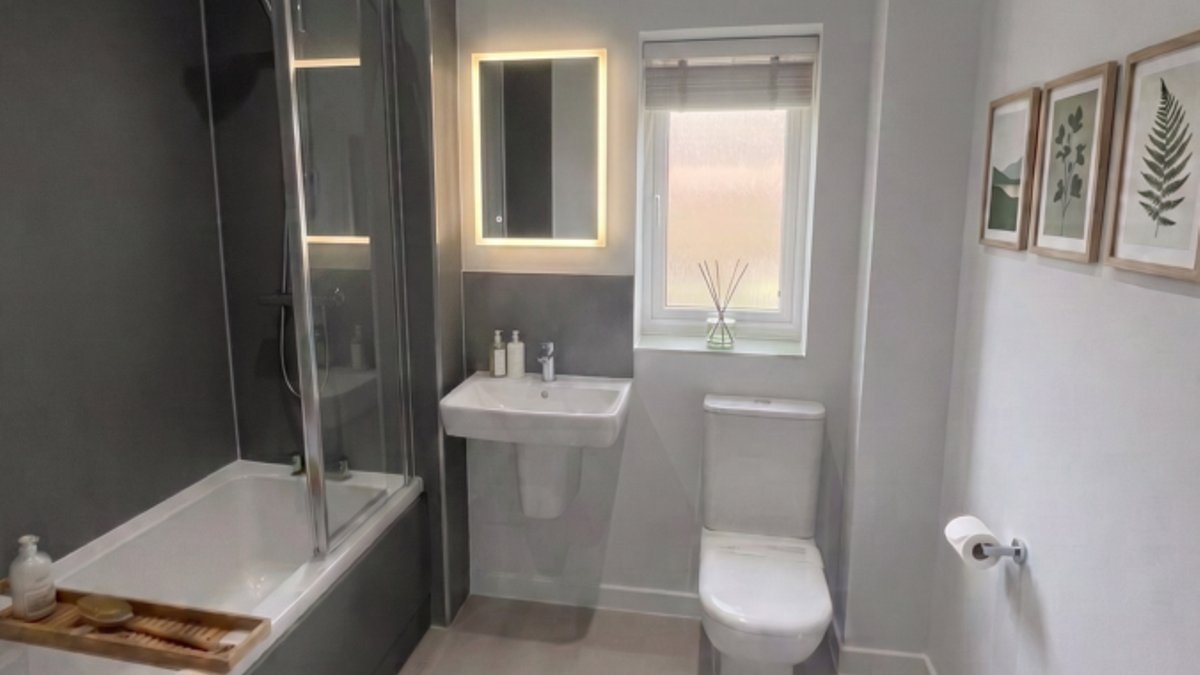
The UK’s residential construction sector is under pressure to meet a 2050 net zero greenhouse gas emissions target, with new regulations demanding more energy-efficient and lower carbon emissions homes. According to Kirstie Manning, National Specification Manager at Wilsonart, architects and specifiers can achieve ESG, compliance, and sustainability goals through informed bathroom surface choices without sacrificing performance or aesthetics.
Bathrooms, despite their compact size, significantly influence a building’s resource usage. Factors like water consumption, material longevity, and disposal methods contribute to a bathroom’s environmental impact. Architects and specifiers must now back product selections with detailed environmental data, moving beyond aesthetics and cost considerations. This shift is driven by the UK’s commitment to net zero and the growing importance of waste-to-landfill targets in procurement decisions.
Traditional Tiling: A Hidden Environmental Cost
Traditional tiling, a common choice for bathrooms, carries several environmental drawbacks. Its installation relies on water-based grout and adhesive mixtures, leading to substantial water use. According to Wilsonart, a developer building approximately 5,000 homes could use over 250,000 litres of water just for installing bathroom wall tiles. With water scarcity becoming an increasingly pressing issue, this practice raises concerns for ESG reporting and efficient resource management. The issue extends beyond mixing, as cleaning tools and equipment throughout the day often involves leaving taps running, further escalating water consumption on construction sites.
Read Also: New Dorset mental health unit opens near Bournemouth
The tiling process also produces single-use plastic waste from items like spacers, wedges, and packaging, hindering landfill reduction efforts. For developers with ambitious landfill diversion targets, reducing waste at the source is more effective than managing it post-installation. Additionally, tile production is carbon-intensive, often involving high-temperature thermal processes exceeding 1,000-1,200°C in industrial kilns, which rely heavily on natural gas combustion, releasing significant carbon dioxide.
The environmental impact extends to adhesives and grouts, which carry their own embodied carbon from sourcing, manufacturing, and transport. The weight of traditional tiles further adds to emissions during delivery, particularly in large-scale developments where continuous material deliveries contribute significantly to a project’s carbon footprint.
Smart Wall Surfaces: A Sustainable Alternative
Contemporary bathroom wall panels present a more sustainable option. By eliminating the need for grout and adhesive mixing, they reduce water usage, aligning with resource conservation targets. Waste is minimized by removing single-use items and streamlining installation. These panels are generally 75% lighter than conventional tiles, cutting down emissions in both production and installation. They also offer durability and low maintenance, providing moisture-resistant surfaces that retain their appearance over time.
Read Also: AIM barriers to protect Hexagon Theatre façade
For developers, this translates to lower embodied carbon and a decreased environmental footprint. It’s a practical approach to meeting ESG goals while delivering appealing, long-lasting living spaces. Additionally, the simplified installation process reduces labor time and associated costs, further enhancing their appeal.
The Future of Bathroom Specification
As ESG reporting advances, thoughtful specification decisions play a key role in project success. Opting for smarter bathroom wall surfaces enables architects and specifiers to assist developers in reducing environmental impact. This strategy not only ensures regulatory compliance but also supports wider sustainability objectives, contributing to broader environmental ambitions within the residential construction sector.