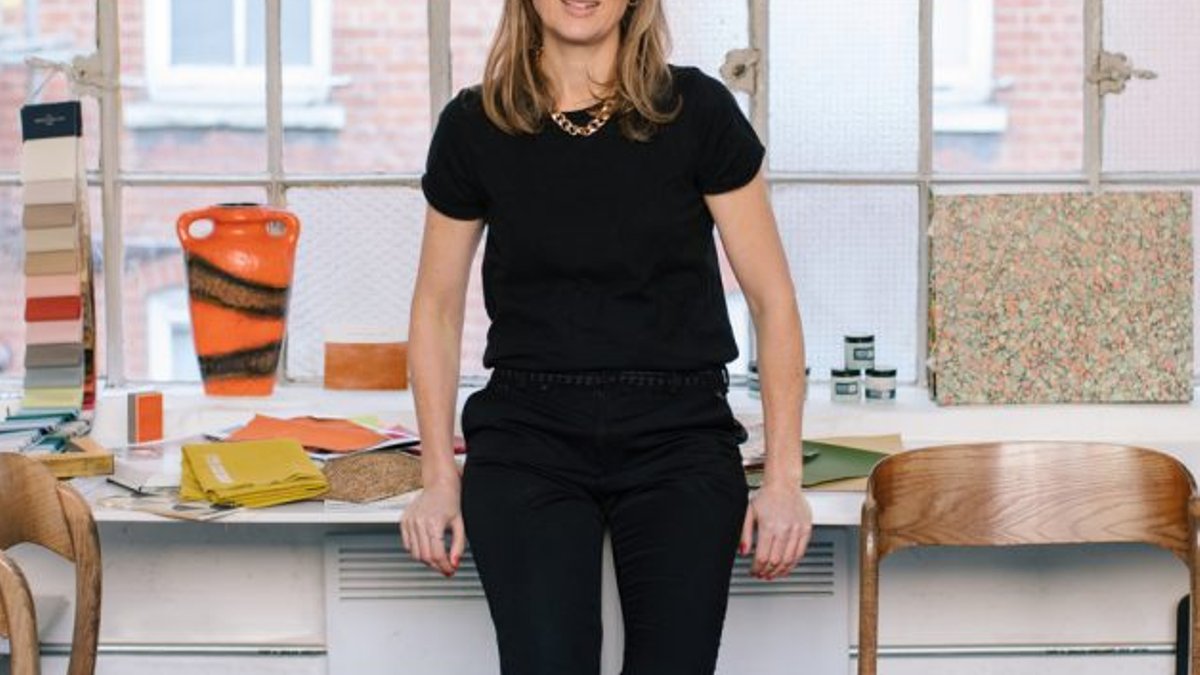
Interior designer Olivia Outred keeps a well-worn copy of David Mlinaric’s work on her studio’s reference shelf. The book is the first one her team reaches for—dog-eared, Post-it notes bristling from its pages—when restoring the architectural bones of a historic home.
Mlinaric is known for his grand and sympathetic restoration of old buildings. His signature was invisible: ornate plaster ceilings repaired without a seam, cornices that looked original even when new, and panelling that made proportions feel inevitable. He treated every architrave and skirting as a structural element, not decoration.
Outred’s studio follows the same discipline. Before choosing fabrics or paint, they spend weeks rebuilding a house’s framework. Concealed ductwork, built-in speakers, and lifts disappear behind period-appropriate joinery. The goal isn’t mimicry but a structure so solid that the decorative layer can shift with the client’s taste—modern, maximalist, or minimalist—without feeling temporary.
The approach is clear in a recent Mayfair project. A Grade II-listed Georgian house had lost nearly all its architectural detailing. The team turned to Mlinaric’s interiors for proportions: skirtings, cornices, and fire surrounds. They matched mouldings around doors and windows to his designs. The result feels whole, though most of what you see is new.
Related: Atkin & Thyme to unveil Studio Larmour collaboration at Decorex
Bravery in the details
Mlinaric didn’t limit himself to tradition. His Kensington home for art collector Belle Shankman included a glossy kitchen and bold red and yellow bands. The colors could have overwhelmed but instead felt deliberate. Outred cites this project as proof his method worked across styles.
That confidence, she explains, comes from mastering fundamentals. If the detailing is right, the rest can be playful. Her studio applies this lesson daily, starting each morning with a 10-minute ritual. Laptops close, phones go away, and the team studies physical books. Mlinaric’s volume sits on top, its pages marked with notes from past projects.
Outred calls this a practical tool, not nostalgia. The books help them notice details missed in a quick scroll—how light falls across a cornice or shadows define moulding. The ritual also cuts through trends, grounding the work in something lasting.
A client’s home becomes a space that evolves with them. The underlying structure stays, while furniture and art can change. That separates a house that feels like a stage from one that feels like home.
Related: Keter reveals next generation of outdoor living innovation
A legacy in the quietest places
Outred hopes her work will be remembered for the same care. She calls it a nurturing approach, prioritizing long-term comfort over a striking first impression. The philosophy aligns with Mlinaric’s, though she never met him.
The studio’s process reflects this. They spend extra time on elements most overlook: the height of a dado rail, the curve of a ceiling rose. These details aren’t about grandeur. They make a space feel effortless, as if it has always existed that way.
In an era where interiors are judged by how photogenic they are, Mlinaric’s work—and Outred’s take on it—offers an alternative. The best design doesn’t stop you in your tracks. It makes you forget to look at all.