In interior design, the relationship between designer and client often determines whether a project feels merely functional or truly resonant.
Collaboration drives personal spaces
Wren Loucks of Be‑Kin stresses that when clients are invited to take part in the creative process, the resulting rooms tend to support the occupants’ wellbeing and ambition. She describes the work as “a gift to be able to delight people, spark new energy and realise the potential for them to live as they want to in their new space.” The designer’s role, according to the statement, is to listen and translate personal habits into a physical environment.
Clients often compare hiring an interior designer to commissioning a custom dress or a portrait. Both involve an intimate act of being “seen.” When a client opens up, the outcome can feel transformative, Loucks says. In past decades, the craft was less transparent, but today’s luxury buyers are more self‑educated and digitally literate, prompting a shift toward co‑creation.
Be‑Kin does not cling to a single aesthetic. While the studio favors harmonious colors, clean lines, and comfort, it avoids imposing a fixed style on a project. Instead, the team “weaves the client’s creativity into our design process,” aiming for a space that reflects a genuine partnership. This approach requires understanding each client’s lifestyle, ambitions, and future needs.
Hands‑on workshops and the value of craft
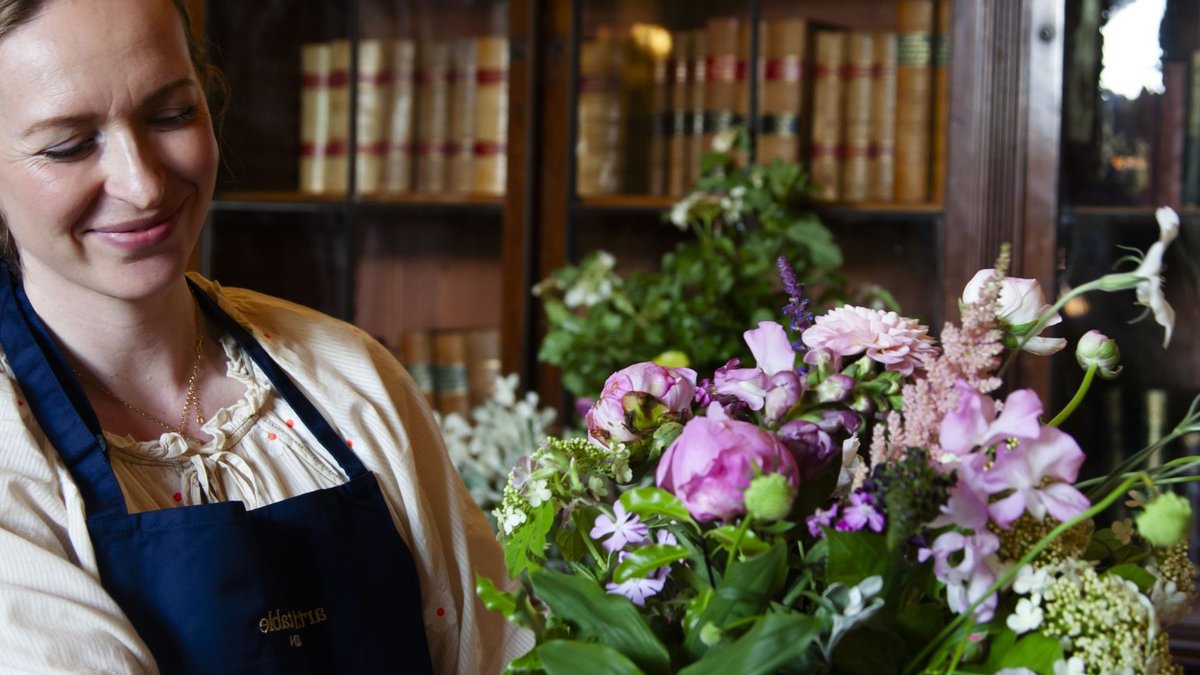
To deepen involvement, Be‑Kin runs a series of workshops called artist’s table. Recent sessions invited participants to arrange flowers, paint picture frames inspired by the Bloomsbury Group, and experiment with collage. The activities are meant to “switch off devices” and encourage a flow state of making, creating a shared sense of purpose.
When designers commission pieces from skilled craftspeople, those items can resonate more deeply with a client’s values. Loucks likens the designer to a curator and choreographer, and the client to a patron and collector, co‑creating unique interiors that could only belong to them.
Related: Airport brand and students redesign lounge chair
Clients vary in how much they wish to engage. Some prefer a hands‑off approach, while others relish visiting fabric houses and attending design shows. She notes that her favorite projects involve clients who have both the time and the inclination to explore the creative process alongside her team.
Listening is central to the studio’s method. By building trust and safety, clients feel free to express what they truly want, allowing the designer to craft a “universe” within the home that aligns with their dreams.
She visualizes the creative exchange as a dance or a weaving of ideas, where inspiration moves back and forth between designer and client, ultimately forming a space that feels uniquely theirs.
From a broader perspective, this collaborative model may signal a shift in the interior design market toward more client‑driven outcomes. As buyers become increasingly comfortable handling design tools online, firms that prioritize co‑creation could find a competitive edge, especially in high‑end residential segments where personalization is a key differentiator.
The upcoming Be‑Kin podcast, titled The Art of Holistic Design, will feature Loucks discussing these practices with guests. Series 1 is slated for a September release, with pre‑subscription options available on major platforms.