Finding the best mattress for back pain means looking beyond firmness and focusing on how a sleep surface distributes weight and keeps the spine aligned.
Medical advice on spinal alignment
Dr Tim Mercer, an NHS GP partner who works with Opera Beds, says a surface that’s too soft lets the hips sink, adding strain to the lower back, while one that’s too hard creates pressure points at the shoulders and hips.
Your mattress should support your body and keep your spine in its natural alignment, he explains. He recommends starting with a medium‑firm option because it balances support and comfort. Mercer adds that body shape, weight, sleep position and the specific cause of pain all influence the ideal choice.
The doctor also notes that not every morning ache comes from the bed; muscle strain, previous injuries or medical conditions can play a role. Persistent pain that wakes you at night or brings numbness should prompt a visit to a GP.
Top picks that aim to keep the spine neutral
The following twelve models were selected for their clinical backing and design features that target hip dip, lumbar support and pressure relief.
Related: Designing a Functional Game Room and Selecting Durable Patio Furniture in Naples, FL
- Simba Hybrid Ultra – Medium‑firm, 11 layers of graphite‑infused foam and 8,500 springs. The layered construction limits hip sinkage and supports the lumbar region.
- Origin LumbarCloud – Medium‑firm with SmartStar foam and cooling gel latex. A central zone offers targeted resistance under the lower back.
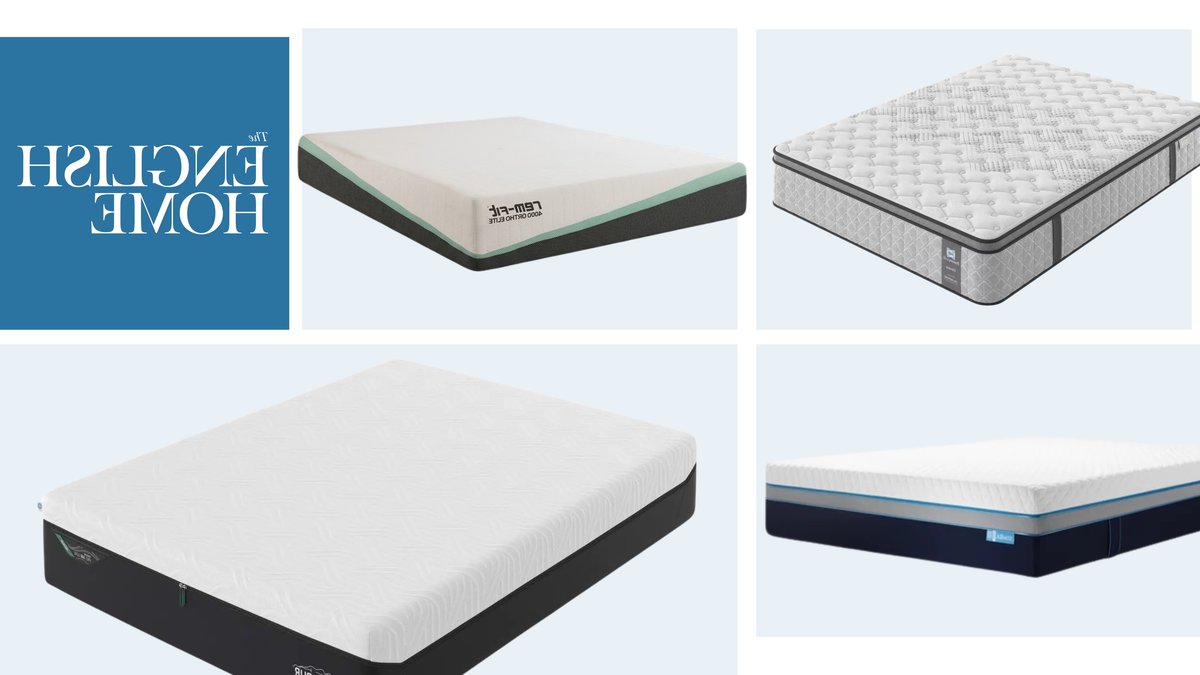
- REM‑Fit 4000 Ortho Elite Hybrid – Firm, combining high‑density foam with 4,000 pocket springs for orthopaedic‑grade firmness without feeling like concrete.
Weight distribution matters most.
For many, the difference between a restless night and a restorative one hinges on how the sleep surface reacts to body movement. A medium‑firm rating tends to accommodate most body types, but the exact feel can vary widely between foam‑centric designs and hybrid constructions.
While the market offers high‑tech options, the core principle remains simple: a surface that evenly spreads weight and prevents the pelvis from sinking too far will reduce lower‑back strain.
In practice, choosing a model that combines contouring material around the shoulders and hips with firmer support under the torso.