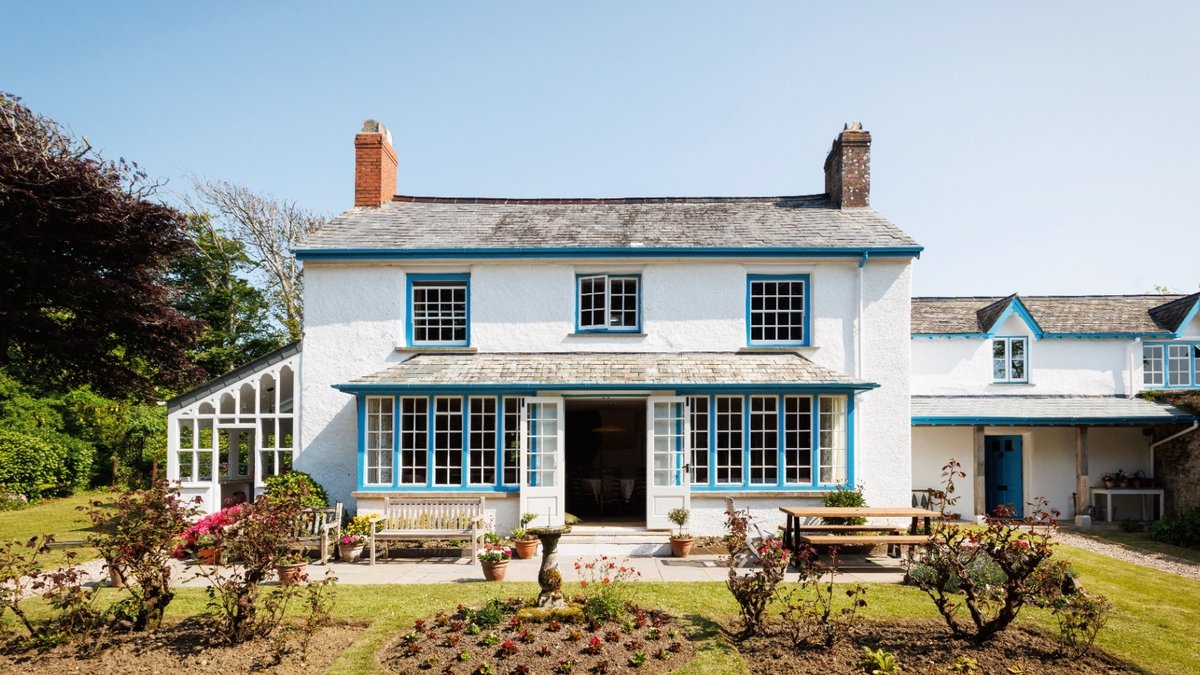
Buying a home often feels like an emotional decision, but interior designers suggest that shifting your focus toward the building’s structural bones can prevent significant buyer’s remorse. By looking past staging and fresh coats of paint, prospective owners can better identify whether a property will actually suit their needs over the next decade.
A primary mistake buyers make is prioritizing their current lifestyle over future requirements. John Law, creative director at Woodhouse & Law, notes that a home must adapt to different stages of life. An open-plan area might work for a young couple today, but it could prove less practical as a family grows. Carina Raymond, founder of Studio Raymond, suggests considering if rooms possess the flexibility to transition from a playroom to a study as needs shift.
When touring a property, it is helpful to ignore the current furniture and décor. Hattie Hansard, an interior designer at Joanna Wood, advises that fundamental elements like ceiling heights, natural light, and room proportions carry more weight than existing cabinetry or paint colors. While cosmetic updates are standard, altering structural proportions often involves heavy construction costs. When building a , remember that these physical constraints remain even after you move in.
Related: Designing a Functional Game Room and Selecting Durable Patio Furniture in Naples, FL
Buyers might find that taking a step back to observe the property during different times of day offers a more accurate picture of its character. Light levels change significantly, and what seems like a dark, unappealing room in the morning might actually serve well as a quiet study or a cozy evening retreat. Assessing the site at various hours also helps clarify how noise travels through the neighborhood.
A floor plan that looks generous on paper can still feel disjointed if the movement between rooms is awkward. Melissa Hutley, co-founder of Hutley & Humm, warns that poor sightlines or too many doorways can create a sense of clutter. She recommends walking through the house as if you already live there, paying close attention to where you would store daily essentials like coats or cleaning supplies.
Secondary spaces like hallways and landings are frequently overlooked, yet they often provide hidden opportunities for extra storage or functional nooks. If you notice items piling up in a staged home, it is a sign that the property lacks sufficient built-in storage.
Planning for future modifications requires research.
Related: David Mlinaric’s lasting design legacy
If you intend to extend the property, never assume that local council approval is guaranteed based on a neighbor’s recent project. Investigating the planning history is a necessary step before making an offer.
Before committing to a purchase, consider bringing a professional designer or contractor for a second viewing. These experts can provide an objective assessment of whether a building’s shortcomings are truly fixable or if they represent permanent architectural liabilities.
Ultimately, the goal is to distinguish between superficial blemishes and structural issues that are impossible to change.