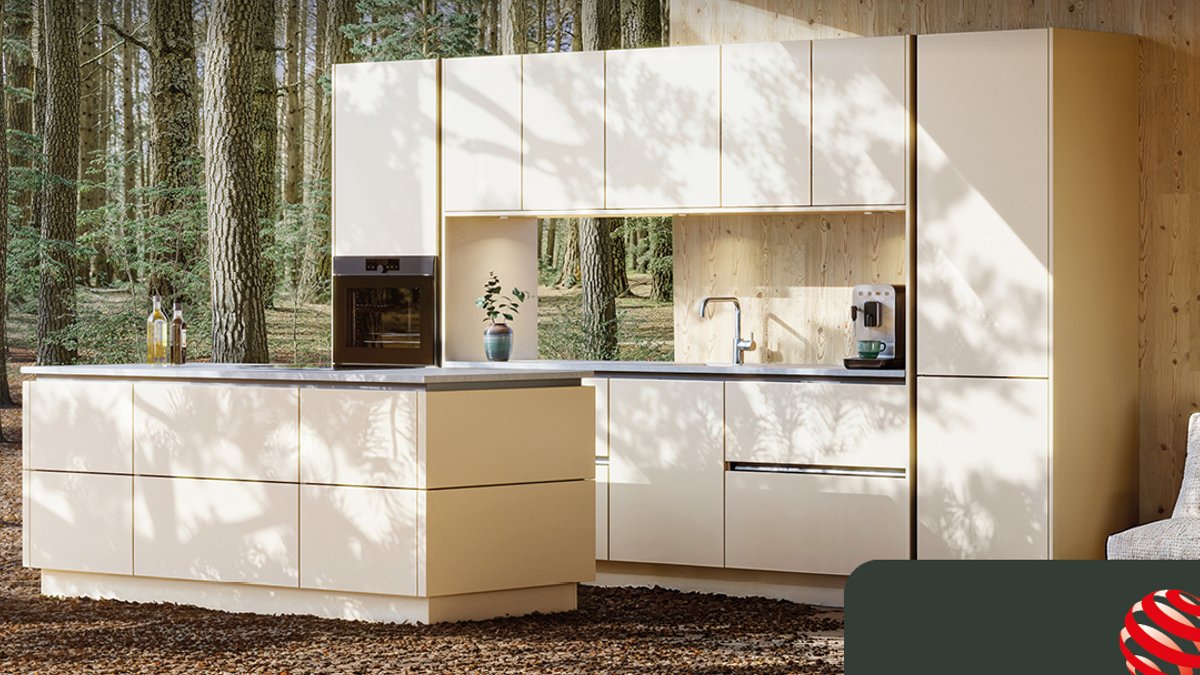
A European kitchen manufacturer has won a major design award for a line built almost entirely from plant-based materials, marking a rare combination of sustainability, scalability, and style.
Biobased chipboard cuts emissions by nearly a third
The Red Dot Award: Design Concept 2026 went to enduura® elba, a kitchen range developed by Keller Kitchens, part of the Dutch conglomerate DKG. The product uses chipboard bonded with tannin extracted from tree bark instead of synthetic resins, removing added formaldehyde and lowering carbon dioxide emissions by about 30% over conventional chipboard.
The surface layer also comes from renewable sources. Melamine resin produced with biogas reduces emissions by roughly 40% compared to standard methods. The outcome meets commercial durability standards while relying on renewable resources.
Judges reviewed thousands of entries based on innovation, design quality, functionality, and sustainability. The award ranks among the most respected in product design.
From lab to large-scale production
Unlike many sustainable prototypes, enduura® elba is already in mass production. Keller has incorporated the line into its circular process, where used kitchens are collected, dismantled, and recycled into new raw materials. This approach appeals to housing associations and property developers aiming to meet environmental targets without sacrificing performance.
The range debuted in July 2026 with 17 colors, including 11 tailored for the professional market. By January 2027, the selection will grow to 24 options, all designed to align with current interior trends while allowing customization. Keller states it is the first brand to offer such a wide variety of biobased kitchens without compromising aesthetics or affordability.
Flexibility remains a priority. Buyers can select a biobased cabinet separately from the front, making sustainable choices more accessible. This modular approach helps overcome concerns about cost and design limitations that have previously slowed adoption of eco-friendly materials.
Related: Why You Need Planning for a Loft Conversion
Few previous Red Dot winners have matched this scale. Most remained niche products, confined to small batches or custom projects. Keller’s ability to produce the line at volume signals a move toward broader market acceptance.
A milestone for sustainable kitchens
“Winning this award represents a key step for DKG and confirms our commitment to developing sustainable kitchen solutions,” said Connie Vis, Portfolio & Innovation Product Manager at DKG. “Years of research and collaboration with supply chain partners have shown that biobased materials can deliver the quality and aesthetics needed for mainstream use.”
Tim Spann, National Sales Manager for Keller Kitchens, noted the product’s versatility. “We developed it without sacrificing quality or affordability,” he said.
The award arrives as building codes in several European countries introduce stricter carbon footprint requirements for new construction. In the Netherlands, developers must now report the environmental impact of materials used in residential projects. These kitchens could help meet those rules without expensive adjustments.
Some challenges persist. While the chipboard and surface resins come from plants, other parts—like hardware and adhesives—may still use fossil-based materials. Keller has not revealed the exact percentage of biobased content, leaving questions about the product’s overall environmental impact.
DKG continues working to expand renewable materials across the entire range. For now, enduura® elba stands as one of the boldest efforts to bring sustainable design into everyday homes.