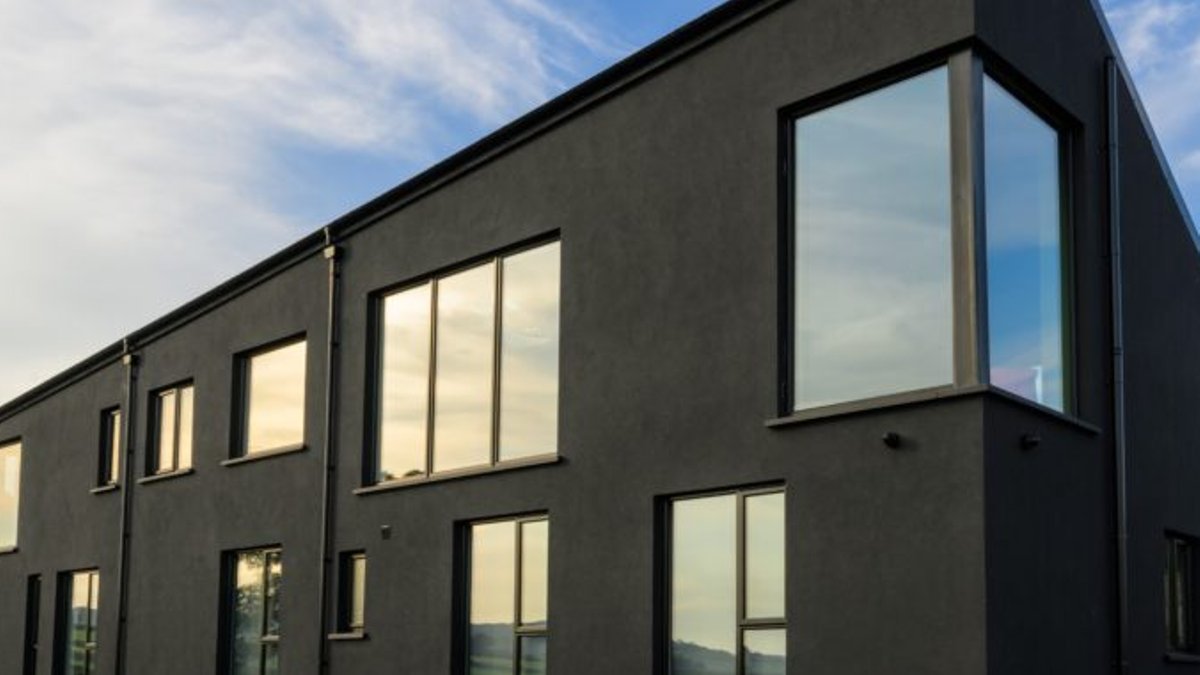
The performance of a rendered façade is determined during the design phase, long before any material is applied. For those involved in architecture and specification, choices regarding the base layer, detailing, and system selection are critical. Failures frequently arise when work proceeds on-site without adhering to the agreed-upon technical plans. Therefore, essential choices should actually be made much earlier, during design meetings and initial discussions between all parties.
The hidden cost of substitution
Ensuring that technical requirements are defined correctly from the start safeguards the building’s integrity and the professional standing of the stakeholders. Decisions made in isolation or at a late stage often lead to on-site complications that negatively impact the structure’s performance. Although the fundamental principles of rendering have not changed, the technology has advanced significantly. Modern factory-made systems are produced under strict controls and include additives that improve handling, bonding, and resistance to water. Nevertheless, the system’s performance relies heavily on accurate specification. Factors like suction, density, and surface texture determine how the render cures, as every building and surface is unique.
No engineered system can overcome the issues caused by an unsuitable substrate. To ensure the correct solution is chosen, manufacturers should be consulted during the design stage to match the system with the substrate, site conditions, and structural needs. Proper design and specification go together; architectural features such as drip beads, reveals, and overhangs serve a functional purpose by protecting against moisture and weathering. These details lower the building’s exposure and extend its lifespan.
Read Also: Natural insulation outperforms foam for UK’s draughty old floors
Strictly following BS EN 13914-1 Design, preparation and application of external rendering is vital for maintaining quality. Engaging with these standards early allows them to be integrated into the plans rather than added as an afterthought. Once a system is chosen, it becomes part of a complex web of design and warranty requirements. Swapping products mid-project is complicated, as it alters the interaction with the surface and the installation method.
Confidence through collaboration
Weather conditions have a profound impact on the application process. To cure correctly, the render needs a minimum of two consecutive dry days with temperatures consistently above 5°C. If the substrate is too hot or the wind is too strong, moisture evaporates too quickly. Conversely, if the weather is too cold or wet, the render will not bond. Even high humidity can slow the drying process. These factors are often overlooked but can determine the success or failure of the exterior. Early collaboration allows site teams to plan for these constraints and identify risks through pre-start inspections and briefings. This proactive stance, supported by manufacturers, prevents many common issues before construction begins.