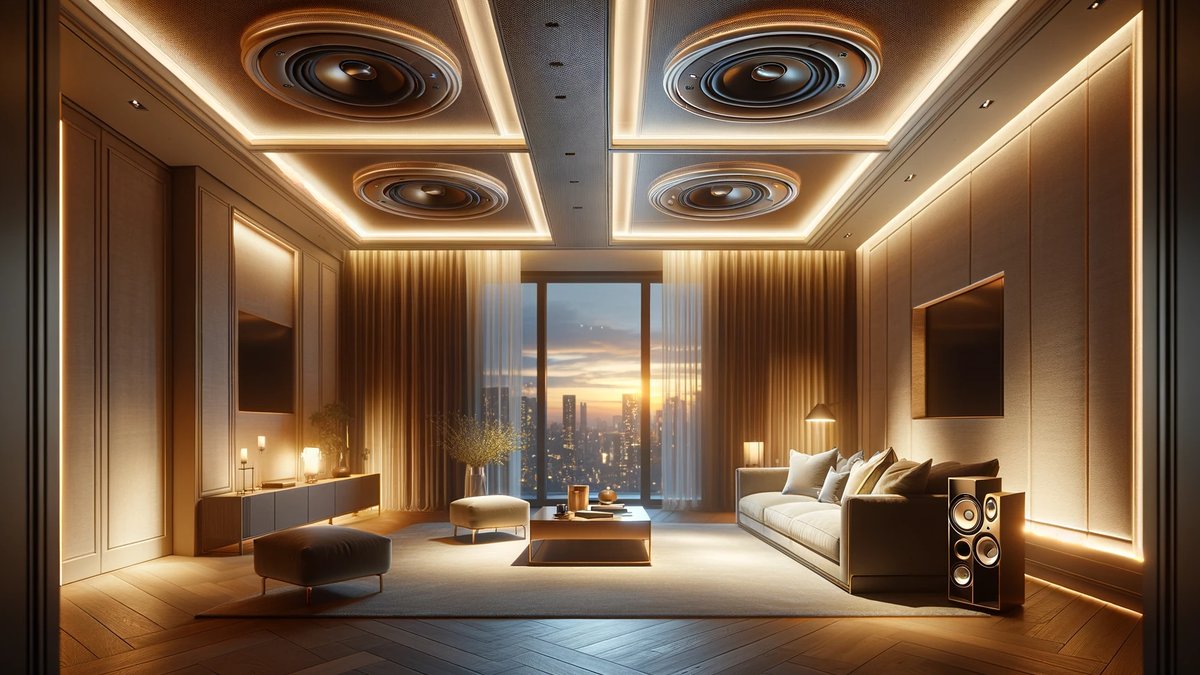
Most rooms are built from the floor upward—floors, furniture, lighting—while the ceiling receives little attention. This overhead surface, however, shapes how a space feels. Its height, light, and design determine whether a room appears intentional or overlooked. A single change above can alter the entire atmosphere without touching the rest of the layout.
Architectural lines that refine proportions
When a room feels unbalanced, the ceiling is often responsible. Beams, coffers, and reveals provide subtle structure, guiding the eye and adjusting proportions. A central beam can make a wide ceiling feel more contained, while a grid of coffers introduces rhythm without visual clutter. Shadow reveals create an illusion of depth, sharpening edges and making walls appear straighter.
Beams direct sightlines and can make an overly tall ceiling feel warmer. Coffers break large spaces into manageable sections, ideal for expansive rooms. Reveals introduce negative space, a useful technique in modern interiors. Alignment is essential—beams should match window mullions, and coffers should correspond with furniture groupings. The finish also plays a role: matte paint softens contrast, while stained wood or deeper edges add definition.
These elements work quietly. They correct the room’s geometry, making everything below feel more harmonious.
Trim pairings that create a clean seam
The transition between wall and ceiling can define a room’s quality. Even slight imperfections in this junction appear unfinished. The right trim pairing turns this seam into a deliberate feature. A crown molding combined with a secondary trim, such as a slim bed molding beneath, creates two distinct lines for the eye to follow. This approach masks inconsistencies while adding visual interest.
Related: Offices adopt new sound reducing furniture designs
Traditional designs often use a 3-5″ crown with a thinner echo beneath for a refined look. Modern versions may opt for a simple square crown with a tight reveal. For low ceilings, a small crown painted the same color as the ceiling can create the illusion of height. The key lies in scale and alignment: profiles should complement baseboards rather than match them exactly.
Painting the trim slightly brighter than the wall ensures a crisp outline. Avoid glossy wall paint near the seam. Match ceiling paint on the cove to blur the transition upward.
In older homes, where corners may not be perfectly square, a secondary trim can bridge proportions. The aim is not perfection but purpose—a detail that makes the space feel more polished without drawing attention.
Lighting that layers mood and precision
The ceiling serves as a stage for lighting. A soft perimeter glow from cove lighting can make a room feel more open, lifting the corners visually. Pendants act as focal points, anchoring spaces like dining tables or reading nooks. The key is contrast: diffused light for ambiance, directed beams for tasks and texture.
Recessed fixtures should align with furniture and walkways. Choose trims that either blend into the ceiling or make a statement if the design is meant to be bold. A simple lighting plan might include cove lighting along the perimeter, pendants for rhythm, and recessed lights to highlight artwork or pathways. The result is a space that feels layered rather than overly bright.
Related: Renovation Error Nearly Causes Ceiling Collapse
Dimmable lighting is essential. A warm temperature in the evening softens the room’s edges, while brighter light during the day prevents the ceiling from feeling oppressive. Effective lighting does more than illuminate—it shapes the room’s atmosphere.
Materials that add texture and rhythm
Wood slats introduce immediate rhythm to a ceiling, giving it structure like a tailored suit. Running them parallel can elongate a space, while a restrained color palette—oat, almond, warm mineral whites—lets textures take center stage.
Ceiling medallions and rosettes frame statement fixtures without excess. Modern versions are flatter and cleaner, designed to appear as part of the architecture rather than decoration. Proportion is critical: a medallion should support the fixture, not compete with it. Shallow fluting or smooth plaster-like forms maintain a restrained look.
A well-placed medallion can even disguise an off-center junction box. The goal isn’t to hide flaws but to transform them into deliberate details. The ceiling, after all, is the one surface in a room that remains constantly visible. Treating it with the same consideration as the walls or floors can distinguish a space that feels complete from one that feels carefully designed.
For those planning a loft conversion, these ceiling techniques can maximize the new space’s potential.