The UK’s historic buildings are a cornerstone of its architectural heritage. From civic landmarks to period homes, these structures reflect centuries of craftsmanship and cultural identity. As sustainability drives demand for refurbishment and adaptive reuse, preserving them has become a critical challenge.
Architects face a delicate balance: respecting historic fabric while meeting modern expectations for sustainability, comfort, and performance. Adaptive reuse, a key strategy in reducing embodied carbon, brings disused buildings back into use instead of replacing them with new construction.
The Green Advantage of Existing Structures
Retaining and repurposing historic buildings avoids the carbon costs of demolition and new construction. These structures also preserve the architectural character that defines towns and cities. As sustainability gains importance, heritage buildings are recognized for their cultural and environmental contributions.
However, working with traditional buildings requires a unique approach. Historic structures often rely on breathable materials like lime mortars and plasters to manage moisture. Incompatible modern materials can trap moisture, accelerating deterioration. Material selection is therefore critical in conservation projects.
Bridging Tradition and Modern Needs
Many traditional buildings are inherently permeable, absorbing and releasing moisture to maintain long-term performance. Dampness, condensation, and aging substrates pose challenges distinct from those in modern buildings. Dense cement-based materials or impermeable finishes can worsen these issues by hindering natural evaporation.
Lime-based systems offer a solution, allowing buildings to function as originally intended while providing durable protection. This is especially important as heritage projects aim to improve energy efficiency and comfort without compromising structural integrity.
Across the UK, adaptive reuse transforms redundant buildings into offices, homes, cultural venues, and mixed-use spaces. These projects often involve complex substrates, mixed construction methods, and tight schedules. Architects must balance conservation with practical considerations like budgets and contractor availability.
Modern lime-based systems, designed for traditional buildings, offer breathability and compatibility while improving workability. This is particularly valuable in large-scale redevelopments where efficiency and consistency are essential.
Addressing Skills Gaps in Conservation
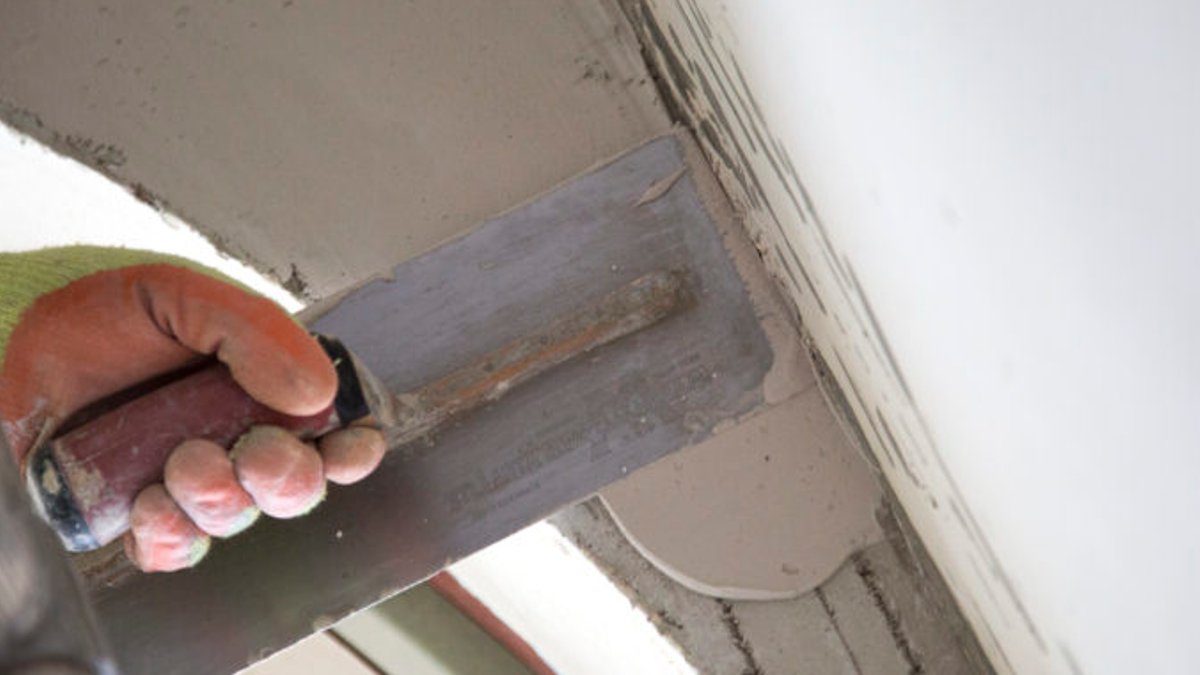
The heritage sector faces a shortage of specialist conservation trades. Traditional lime plastering, a highly skilled craft, is increasingly rare. Many new plasterers are trained in modern gypsum-based systems, creating a skills gap for heritage projects.
Modern lime-based products make conservation more accessible to a broader workforce. By offering familiar handling characteristics while maintaining compatibility with historic fabric, they enable more contractors to participate in heritage projects without compromising conservation goals.
This approach allows specialist craftspeople to focus on critical areas while supporting the wider delivery of conservation schemes. Balancing tradition and innovation is essential. Successful projects combine traditional principles with contemporary knowledge, selecting materials that respect historic fabric while meeting modern requirements.
Architects must specify systems suited to each building’s significance, substrate condition, and intended use. While traditional lime materials and craftsmanship remain vital, modern conservation-compatible solutions improve efficiency and workforce participation, ensuring the long-term viability of heritage-led regeneration.