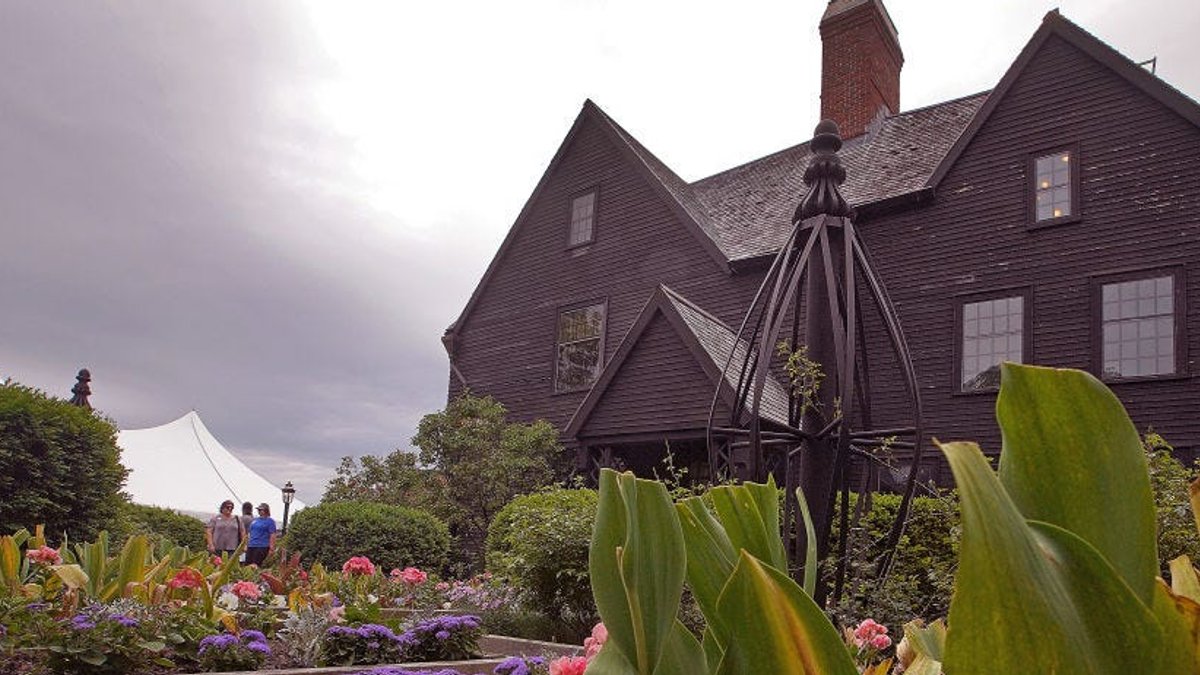
Salem, Massachusetts, is often associated with its dark history, particularly the Salem witch trials of 1692, which resulted in the execution of 20 innocent people. However, the city has a rich visual identity that extends beyond its infamous past, with a blend of 17th-century timber-frame houses, finely carved doorways, and contemporary restaurants and shops.
The city’s historic district, named after Samuel McIntire, a renowned architect, woodcarver, and furniture designer, features some of the best Federal architecture in the country. The Peirce-Nichols House, built in 1782 and later altered by McIntire, is a prime example of early American architecture.
Exploring Salem’s History and Culture
The Peabody Essex Museum is a must-visit attraction, with a collection of historic homes, gardens, and buildings that showcase the city’s rich history and cultural heritage. The museum’s campus spans several blocks and includes exhibits on architecture, decorative arts, and the history of collecting.
One of the highlights of the museum is the Yin Yu Tang: A Chinese Home, an early-19th-century merchant’s house that was dismantled in China and reassembled in Salem. The house provides a unique glimpse into the relationship between architecture, family life, craft, and ritual.
Designer William Cullum describes the Peabody Essex Museum as “one of the greatest museums,” and it’s easy to see why. With its diverse collection of objects and exhibits, the museum offers a fascinating look at Salem’s history and culture.
In addition to its historic architecture and cultural attractions, Salem is also home to a thriving arts scene. The Punto Urban Art Museum’s Raíces | Roots project features large-scale murals by New England artists that explore themes of heritage, migration, family, and identity.
The city’s waterfront is another area worth exploring, with its historic wharves and warehouses that once played a significant role in Salem’s maritime trade.
Salem Reflects on Complex History
As Salem marks 400 years since English settlers arrived, the city is reflecting on its complex history and cultural heritage. The Salem 400+ program, which includes exhibitions, performances, and community events, aims to recognize the Indigenous communities that lived in the area before 1626 and to celebrate the city’s diverse history and culture.
For visitors, Salem offers a unique blend of history, culture, and natural beauty, with its picturesque harbor, historic architecture, and varied arts scene. The city has a lot to offer, whether one is interested in exploring its witch trials history, its maritime past, or its contemporary culture.
The House of the Seven Gables, made famous by Nathaniel Hawthorne’s novel, is another iconic landmark in Salem. The 1668 Turner-Ingersoll Mansion has been beautifully restored and offers a glimpse into the lives of the city’s wealthy merchants and their families.
As you walk through the city’s historic districts, you’ll notice the impressive Federal-style houses, with their clipped lawns, painted shutters, and ornate doorways. The Salem Common, a large public green, is a peaceful oasis in the heart of the city, surrounded by historic homes and punctuated by a replica of a Samuel McIntire-designed gate.
Salem’s history is complex, and the city is still grappling with the legacy of its dark past. The Salem Witch Trials Memorial, located near Charter Street, is a poignant reminder of the victims of the witch trials and their families.
The memorial features granite walls and cantilevered benches, with inscriptions from the court documentation and individual stories behind the trials. It’s a powerful and moving tribute to the victims and a reminder of the importance of remembering and learning from the past.
Discovering Salem’s Hidden Gems
As you explore Salem, you’ll discover a city that is both deeply rooted in its history and actively engaged with its present and future. From its historic architecture to its contemporary arts scene, Salem is a city that is full of surprises and waiting to be discovered.
One of the best ways to experience Salem’s unique culture is to visit the city’s many independent shops and boutiques. Oak + Moss, located on the corner of Washington and Front Streets, is a great place to start, with its eclectic selection of plants, handmade pots and mugs, books, and gifts.
Another notable shop is Crow Haven Corner, one of the area’s oldest witch shops, which carries a wide range of occult supplies, including tarot decks, candles, crystals, and jewelry. For a more botanical experience, Artemisia Botanicals offers loose herbs, teas, oils, soaps, and apothecary goods in a beautifully restored traditional herb store.
Diehl Marcus Company, located in an 1811 former bank building, is another must-visit shop, with its impressive inventory of antiques, décor, tea, apothecary goods, and smaller objects. Nearby, Emporium 32 offers vintage-inspired home décor, barware, art, accessories, and handmade gifts.
The city’s hotel stock is small but varied, with options ranging from historic boutique hotels like The Merchant, which occupies the Joshua Ward House, a Federal-style brick residence built in the 1780s, to more contemporary options like The Hotel Salem, a 44-room Lark Hotels property on Essex Street.
The Merchant’s 11 rooms have been beautifully restored, with original architectural details, including woodwork, fireplaces, and a Samuel McIntire staircase, and updated with contemporary furnishings, gas fireplaces, and heated bathroom floors. The hotel is located on Washington Street, within walking distance of the Peabody Essex Museum, Salem Common, and the city’s many restaurants and shops.
For a more traditional hotel experience, the Hawthorne Hotel, located opposite Salem Common, offers a range of rooms and suites, as well as on-site restaurants and bars, 24-hour service, and a convenient location in the heart of the city.
Salem’s Thriving Food Scene
When it comes to dining, Salem has a wide range of options, from modern American cuisine at Ledger, located in the former Salem Savings Bank building, to Mediterranean-inspired dishes at Settler, a cozy restaurant and wine bar on Lynde Street.
Turner’s Seafood at Lyceum Hall is another popular option, offering classic New England seafood in a historic setting, while Sea Level Oyster Bar, located near the Salem Maritime National Historic Site, serves up fresh seafood and stunning harbor views.
Counter, the ground-floor restaurant at The Hotel Salem, is a great spot for a casual meal, with midcentury diner references and a menu of creative dishes. The Roof, the hotel’s rooftop restaurant and bar, offers stunning views of the city and a range of cocktails and small plates.
The House of the Seven Gables, with its stunning architecture and beautiful gardens, is another must-see attraction, while the Salem Maritime National Historic Site provides a fascinating look at the city’s maritime history and the lives of its sailors and merchants.