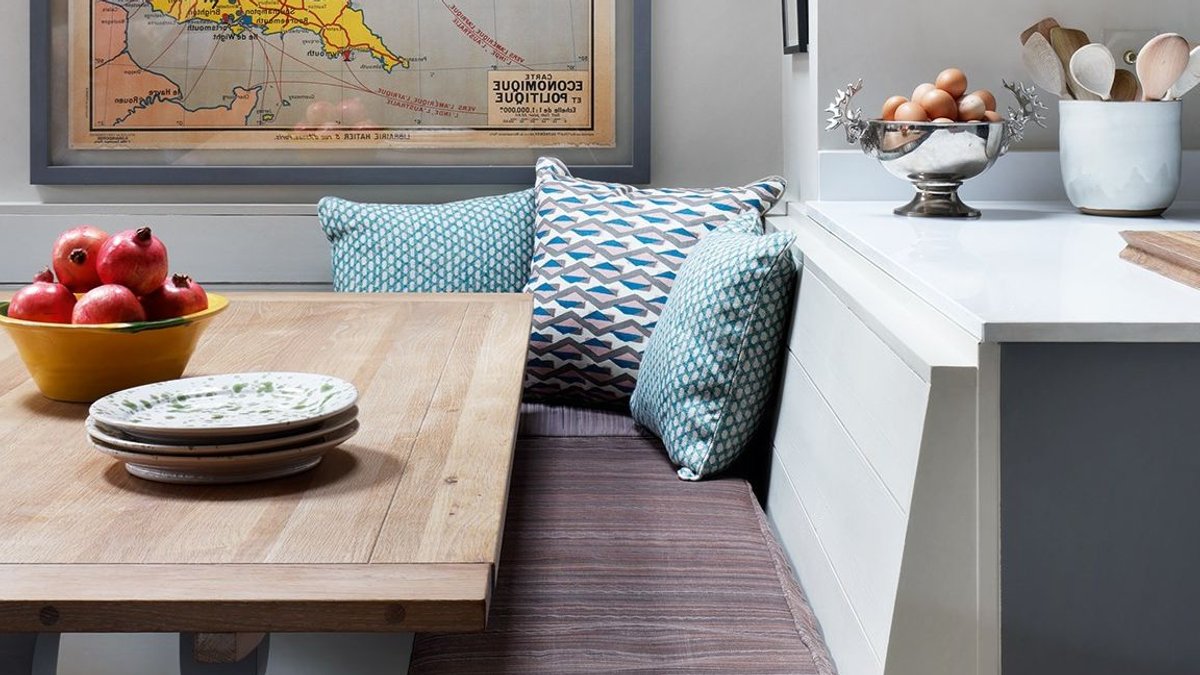
Morning routines often begin at a kitchen table crowded with plates, laptops and children’s schoolwork, a scene that triggers a familiar pang of guilt for many households.
Multitasking furniture
The piece of furniture now serves as a dining spot, a home office, a homework station and a makeshift craft workshop, all in a single day.
Historian Lucy Faire catalogued 24 distinct functions for the kitchen table in early-20th-century working-class homes, ranging from food preparation to sewing and game playing. The expectation that it should return to a pristine rectangle by dinner time remains stubbornly common.
From the mid-1800s, household manuals in Britain urged middle-class families to maintain immaculate interiors, promoting separate dining rooms as symbols of respectability. Those guides linked tidy surfaces with moral virtue.
In recent decades, open-plan living has eroded the separate dining room, yet its legacy of order persists in magazines, social feeds and museum exhibits. The modern kitchen still bears the weight of that historic ideal.
Cultural pressure and clutter
Today’s consumer culture floods homes with new items, and the surface often becomes the most convenient drop-off point. Not all items on it are equal; some are in active use, others await a final destination, and a few are forgotten altogether.
Distinguishing between a working laptop and a redundant charger matters, because the same object can shift from being a tool to becoming an obstacle as the day progresses. The surface therefore reflects life in motion rather than static disorder.
Read Also: Bloomsbury Group’s Interior Design Venture Ended in Failure
One way to view this is to see the surface as a visual ledger of household demands. It records tasks, reminders and decisions, offering a tangible reminder of what needs attention without the risk of misplacing a note.
Research by sociologist Sophie Woodward shows that clutter often acquires a moral dimension, signaling perceived disorganisation or personal failure. The items become evidence of unfinished business, turning the surface into an unspoken judge.
The mental load of coordinating meals, school forms and work deadlines still falls disproportionately on women, and the surface captures that invisible labour. Each misplaced envelope or stray key signals a decision that has yet to be acted upon.
Leaving items where they are can also serve as a practical memory aid. When everything is tucked away, important papers may be missed, appointments forgotten, and the time spent searching can outweigh the benefit of a spotless surface.
For many families, the lack of a dedicated study or craft room means the kitchen table doubles as the primary workspace. Without extra rooms, the surface becomes the hub where practical and emotional aspects of daily life intersect.
Woodward’s findings suggest that the guilt associated with a busy surface is less about personal neglect and more about societal expectations that equate visible order with self-control.
Auxiliary spaces and the limits of the table
The writer notes that every transition—from work to dinner, from school to bedtime—requires moving objects to another surface. When no separate study or utility room exists, the table absorbs each new task, stretching its capacity.
Read Also: Advent Sunday marks traditional start for Christmas decorations
Temporary containers such as baskets appear promising, yet they quickly mirror the main surface, holding the same items that crowd the tabletop. The writer observes that these mini-islands of clutter become extensions rather than solutions.
Without a dedicated cupboard for craft supplies, the table serves as the only place to spread out projects. This lack of alternative storage turns routine activities into a constant negotiation for space.
In homes where a spare room is unavailable, the kitchen becomes the de-facto office, the art studio, and the filing hub. The writer describes how this convergence intensifies the feeling that the table must perform every role simultaneously.
When clutter becomes a tool
Leaving items visible can act as a memory aid, reminding occupants of pending tasks. The writer explains that an open envelope may signal a needed phone call, while a shopping bag hints at tomorrow’s lunch.
Items awaiting a final destination occupy a holding pattern rather than representing abandonment. The writer points out that a laptop, useful at one hour, becomes an obstacle at another, illustrating how context changes an object’s impact.
When a clear patch is created for a meal, the writer recommends moving the laptop to a nearby chair, allowing the table to shift back to a feeding zone. This small adjustment respects the table’s multiple jobs without demanding an impossible level of perfection.